When Sparks Fly: Welding Safety for You and Your Team
Welding is essential to construction, manufacturing, and repair work, but it also presents serious hazards, including burns, eye injuries, toxic fume exposure, electric shock, and hearing loss. Most welding accidents can be prevented through proper hazard awareness, use of appropriate PPE, a clean and well-ventilated work environment, routine equipment inspections, and emergency preparedness. By investing in training and fostering a strong safety culture, organizations can reduce risks, improve productivity, and ensure every worker returns home safely. Every weld matters - and so does every worker.
- Construction
- Manufacturing
- Electrical
- OSHA Compliance
- Safety Programs
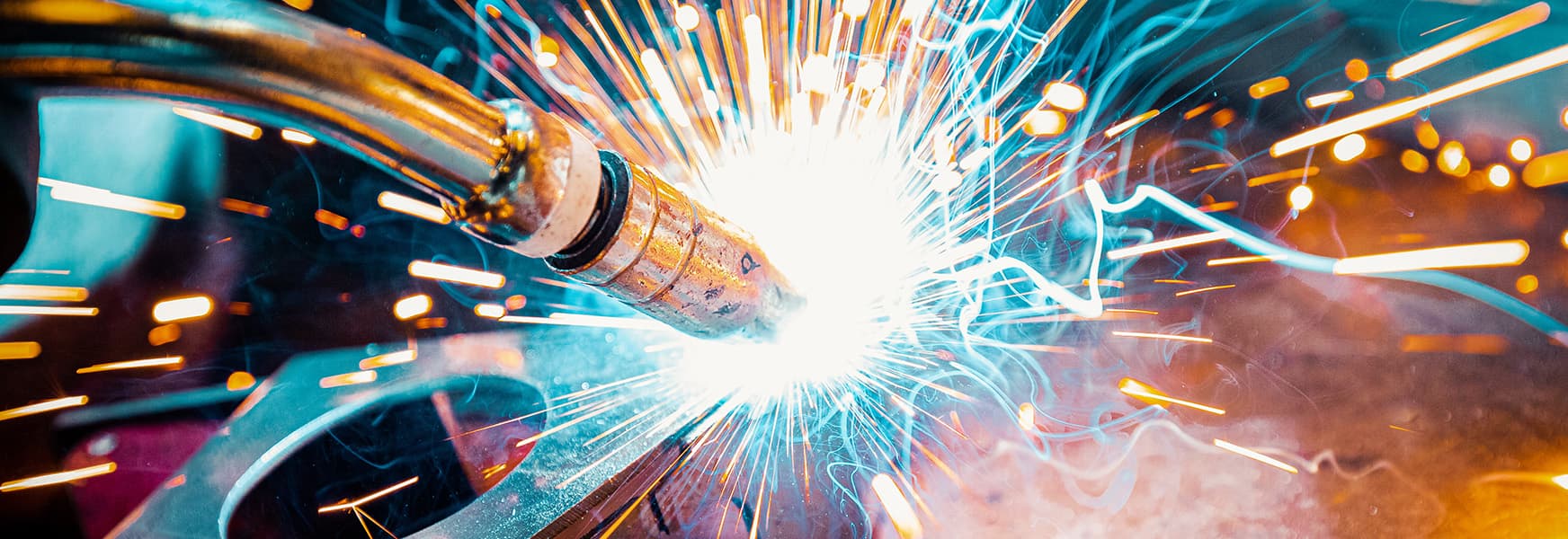
Welding is one of the most important processes in construction, manufacturing, and repair work. It’s the backbone of countless industries, creating strong, durable connections that keep structures standing and machinery running. But welding also comes with significant hazards. From intense heat and flying sparks to toxic fumes and electrical risks, welders face dangers that can cause severe injuries or long-term health problems if safety measures aren’t followed.
The good news? You can protect yourself and your team by understanding the risks and taking proactive steps. Here’s what you need to know to prevent accidents.
Know the Hazards Before You Strike an Arc
Every welding job carries inherent risks. Awareness is the first step toward prevention.
- Burns and Fire Hazards: Welding produces extreme heat and sparks that can ignite clothing or nearby materials.
- Eye Injuries: Exposure to ultraviolet and infrared light can cause “arc eye,” a painful condition that may lead to permanent vision loss.
- Respiratory Risks: Welding fumes contain harmful metals and gases that can damage your lungs over time.
- Electric Shock: Welding equipment operates at high voltage, making shock one of the most serious hazards.
- Noise Exposure: Prolonged exposure to loud welding environments can lead to hearing loss.
Create a Safe Work Environment
A clean, organized workspace reduces risks and improves efficiency.
- Ventilation: Proper airflow helps minimize exposure to harmful fumes.
- Fire Safety: Keep fire extinguishers nearby and remove flammable materials from the area.
- Grounding Equipment: Ensure welding machines are properly grounded to prevent electric shock.
- Clear Workspace: Avoid clutter to reduce tripping hazards and improve mobility.
- Lighting: Adequate lighting ensures visibility and reduces mistakes.
Training and Emergency Preparedness
Safety isn’t just about equipment—it’s about knowledge and readiness.
- Know Your Tools: Read manuals and follow manufacturer guidelines for all welding equipment.
- Emergency Readiness: Be trained in first aid and know evacuation routes in case of fire or other emergencies.
- Routine Inspections: Check cables, connections, and PPE before starting work. Replace damaged equipment immediately.
- Lockout/Tagout Procedures: When servicing equipment, follow proper lockout/tagout protocols to prevent accidental activation.
Gear Up with the Right PPE
Personal Protective Equipment (PPE) is an important defense against welding hazards.
- Welding Helmet: Use a helmet with the correct shade lens to protect your eyes and face from radiation and sparks.
- Flame-Resistant Clothing: Avoid synthetic fabrics; choose leather or treated cotton to prevent burns.
- Gloves and Boots: Heavy-duty, heat-resistant gloves and steel-toe boots are essential for hand and foot protection.
- Respiratory Protection: When working in confined spaces or with hazardous materials, wear an appropriate respirator.
- Hearing Protection: Earplugs or earmuffs can help reduce the risk of hearing damage.
Make Safety a Culture
Safety is not a one-time effort—it’s an ongoing commitment. Encourage open communication about hazards and near misses. Regularly review safety protocols, update training, and make sure everyone understands that safety is a shared responsibility. When safety becomes part of your workplace culture, accidents decrease, productivity improves, and morale rises.
Bottom Line
Welding can be dangerous, but with the right precautions, it’s safe and efficient. Protect yourself, protect your team, and make safety your top priority. Every weld matters—and so does every worker.
Resources:
More for You
Recent Blog Posts
Preventing Injury from Heavy Equipment in Many Industries
Anna Hooper, Safety Management Consultant, CSP, WCP®
October 14
- Construction
- Logging and Forestry
- +1

Heavy equipment hazards are often associated with construction and excavation projects. However, many organizations outside of traditional construction industries regularly encounter heavy equipment exposures that can be overlooked.
Speaking Up for Safety During Hospitality Events
Zach Phelan, Loss Control Consultant II, GSP, WCP®
September 24

From lifting heavy equipment to navigating crowded event spaces, young hospitality workers face a variety of safety challenges during the busy fall event season. Discover practical ways employees and supervisors can work together to prevent injuries before they happen.
Reducing Slip, Trip, and Fall Risks in Schools
Jayson Hebert, Safety Management Consultant, WCP®
September 2
- Education and Schools
- Slips Trips and Falls
- +1

Very soon faculty, staff, and students will be returning to schools across the country as they prepare for another year of learning. Schools are busy environments where students, employees, and visitors are constantly on the move. And, while much attention is focused on student safety, the leading causes of workplace injuries for school employees continue to be slips, trips, and falls.
Stay Connected
Sign up and we'll keep you posted on upcoming events, news, and more.
- Expert Safety Advice
- Company News
- Community Impact Stories